
The Impact of Load Time Delays on Google Rankings
2/21/20262 min read
Understanding Load Time and Its Importance
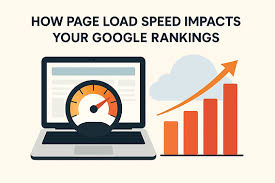
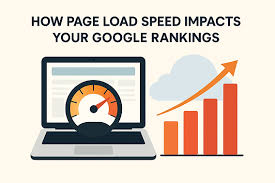
In today's digital landscape, website performance plays a crucial role in search engine optimization (SEO). One of the most significant factors in this equation is load time. A mere delay of one second in load time can drastically impact user experience and, subsequently, your Google ranking. As users increasingly demand fast-loading websites, search engines have adapted their algorithms to prioritize speedy web pages, making load time a critical element for businesses seeking online visibility.
The 1-Second Delay: Consequences for SEO
Research has demonstrated that a 1-second delay in load time can lead to significant increases in bounce rates, with visitors more likely to abandon your site before it fully loads. This metric directly correlates with your site’s SEO performance. When users leave your site due to slow load times, it sends a negative signal to Google regarding your site's quality and relevance, which can lower your ranking in search results. In essence, faster load times not only enhance the user experience but also signal to search engines that your website is a reliable source of information.
Strategies to Improve Load Time
To mitigate the impact of load time delays on your Google ranking, it is essential to implement several strategies aimed at optimizing website performance. Here are a few actionable techniques:
- Optimize Images: Large image files can significantly slow down load time. Use image compression tools to reduce file sizes without compromising quality.
- Minimize HTTP Requests: Reduce the number of elements on your web pages, such as scripts and images, to decrease the number of HTTP requests made while loading the page.
- Use a Content Delivery Network (CDN): CDNs distribute your content across various locations, allowing users to download data from servers closest to them, which considerably speeds up load time.
- Leverage Browser Caching: Enable caching to store frequently accessed files on a user's device, allowing quicker load times for return visits.
By actively working to improve your site's load time, you not only enhance the user experience but also increase the likelihood of maintaining a favorable Google ranking.
Conclusion: A Call to Action
In conclusion, the impact of a 1-second delay in load time on Google rankings cannot be overstated. As search engines evolve, the need for efficient and responsive websites becomes imperative. By implementing strategies to optimize load time, you can improve user retention, reduce bounce rates, and elevate your site's visibility in search results. Remember, in the competitive online arena, every second counts.
Follow US
Files
+91 8484859088
© 2025 INNOVATIVA SOFTTECH SOLUTIONS PRIVATE LIMITED.
All rights reserved.